Why Wentworthville Duplex Sites Now Matter
The Budget changes created a clear winner, and it happens to be the kind of land our suburb has plenty of.
On 12 May, the Federal Budget made the biggest change to property investment tax in a generation, and most of the coverage has focused on what investors lost. There's a less obvious side to the story that matters a lot in Wentworthville. The changes created a clear winner, and it happens to be the kind of land our suburb has plenty of.
Here's what changed. From 1 July 2027, anyone who bought an established residential property after 7:30pm on Budget night won't be able to use rental losses to reduce the tax on their wage. Those losses get quarantined and carried forward against future rental income or property gains instead. The 50% capital gains discount is also being replaced by indexation, with a 30% minimum tax on gains. If you already owned an investment property on Budget night, or had exchanged contracts, you keep the old rules until you sell.
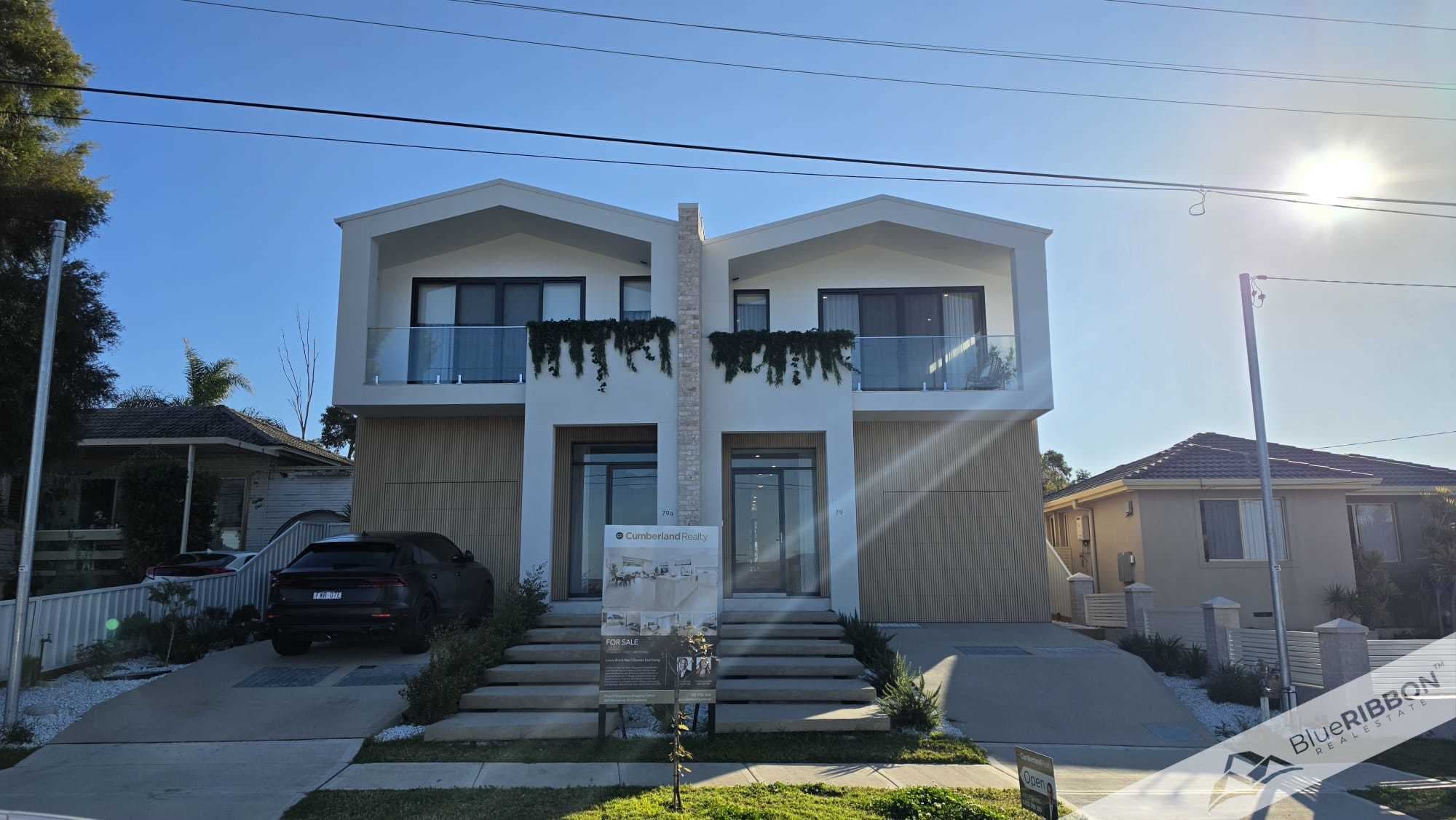
The exception is genuine new housing. New builds that add to supply keep full negative gearing and can still access the existing capital gains discount. The fine print matters here. Knocking down one house and building another single house generally doesn't count, because it doesn't add a home. Knocking down one house and building two, like a duplex, is exactly the kind of project the policy is designed to reward.
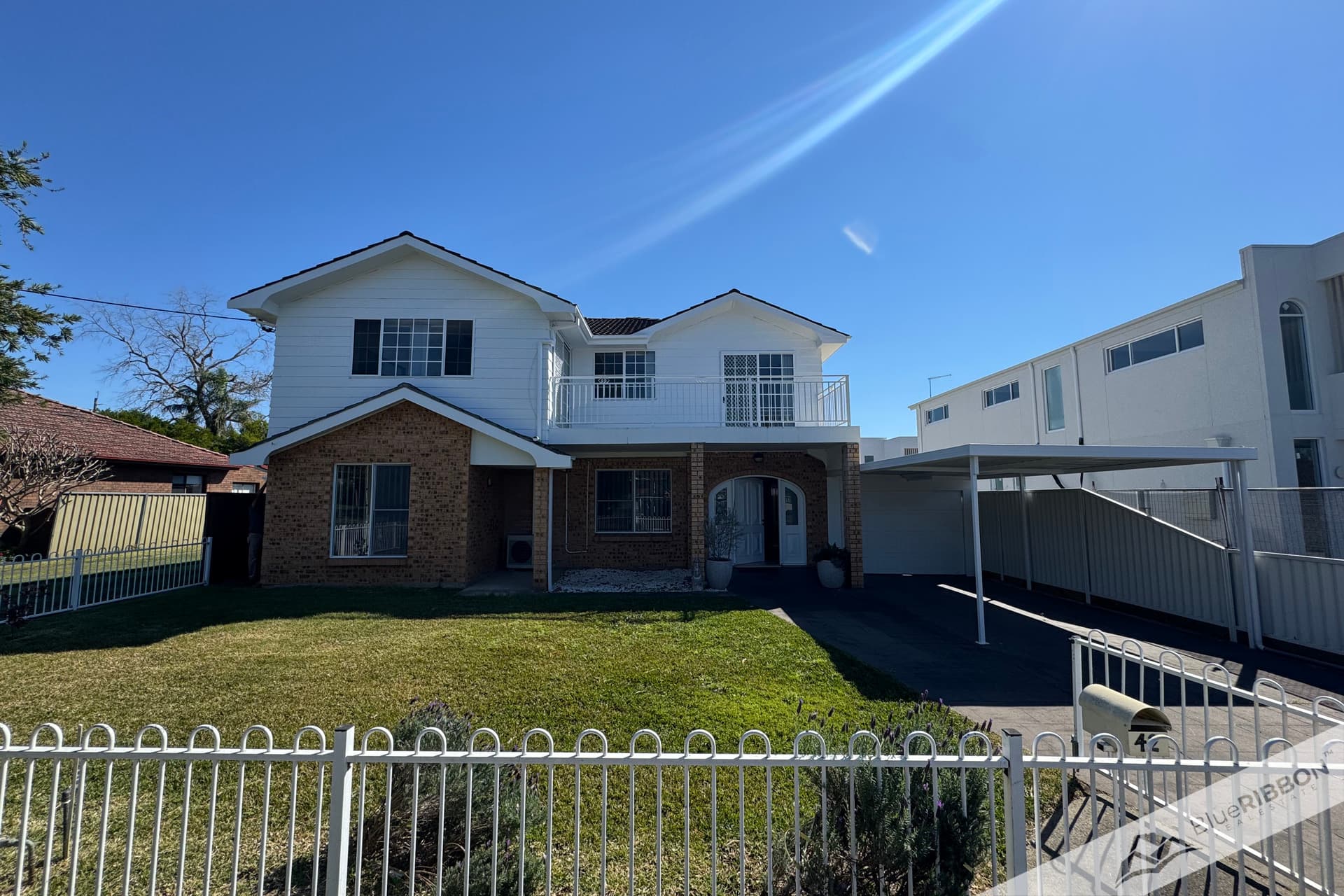
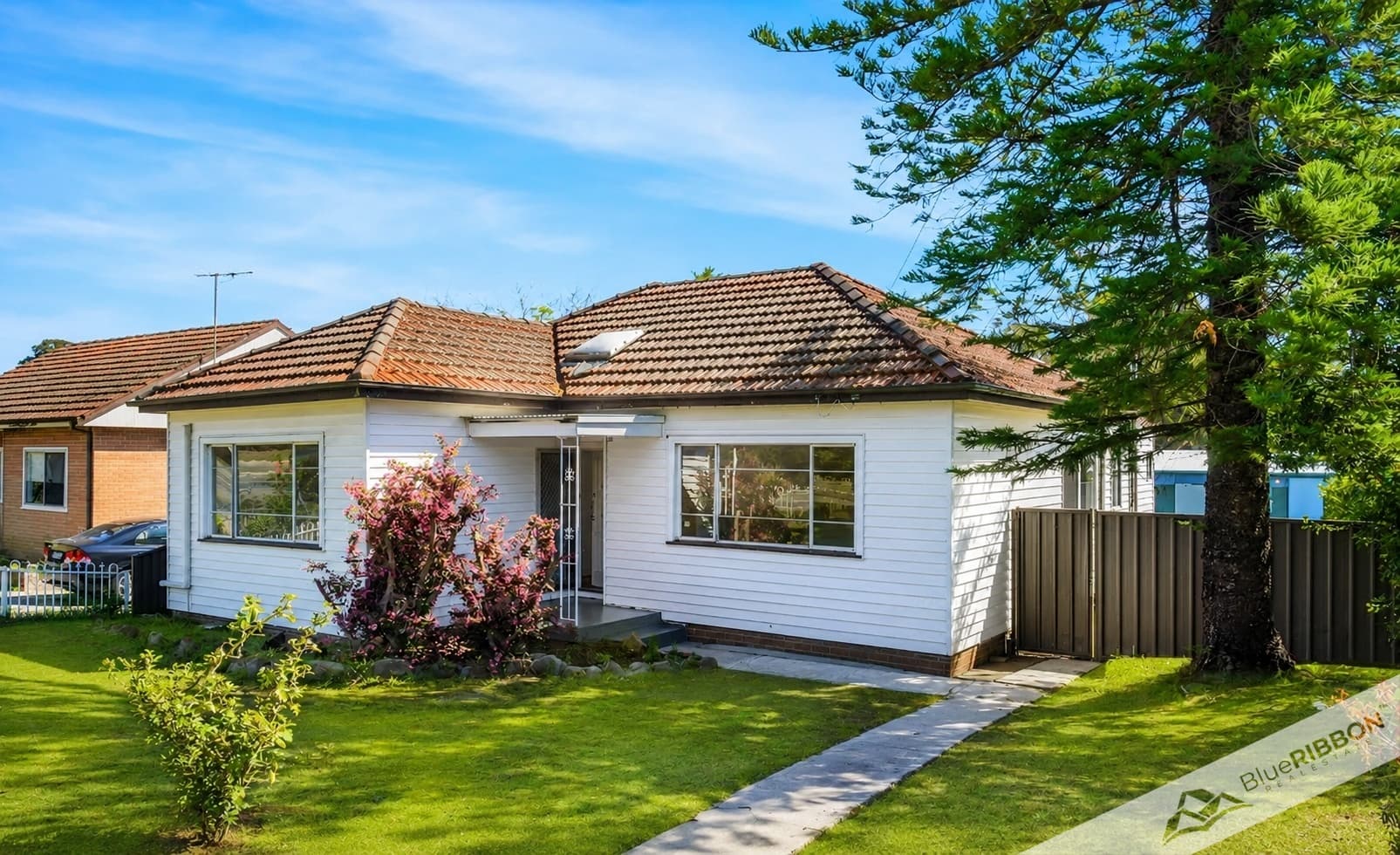
Now take a walk around the streets off Station Street and Dunmore Street. You'll see post-war brick and fibro homes sitting on generous blocks, many in the 550 to 700 square metre range. Since July 2025, the NSW Government's low-rise housing reforms have allowed dual occupancies in R2 low density zones across Greater Sydney, subject to minimum lot sizes and design standards. Put the state planning changes and the federal tax changes side by side and a tired three-bedroom house on a decent block starts to look very different. To the right buyer, it's the raw material for a new-build investment that still carries the old tax benefits.
If you own one of these blocks, you may now have two groups of buyers instead of one. Families want the house as it stands. Builders and investors want the land and what they can put on it. Your marketing should speak to both, and your price should reflect what the land is worth to the strongest of them. Before you list, get the basics together: lot size, frontage, zoning, easements, significant trees, slope and any flood information from Cumberland Council's planning maps. A short feasibility from a town planner can turn "duplex potential" from a line in an ad into something a buyer will actually pay for.
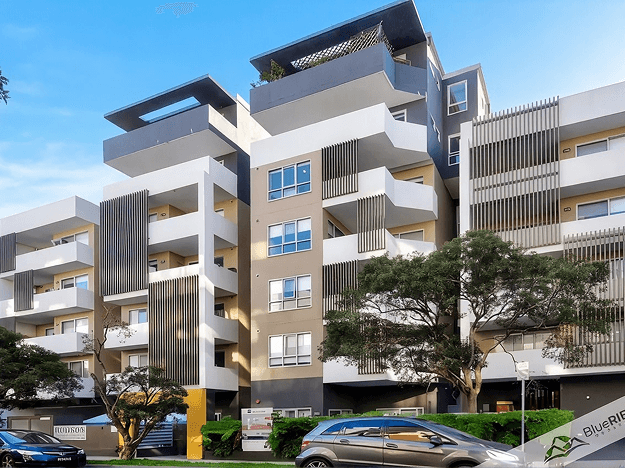
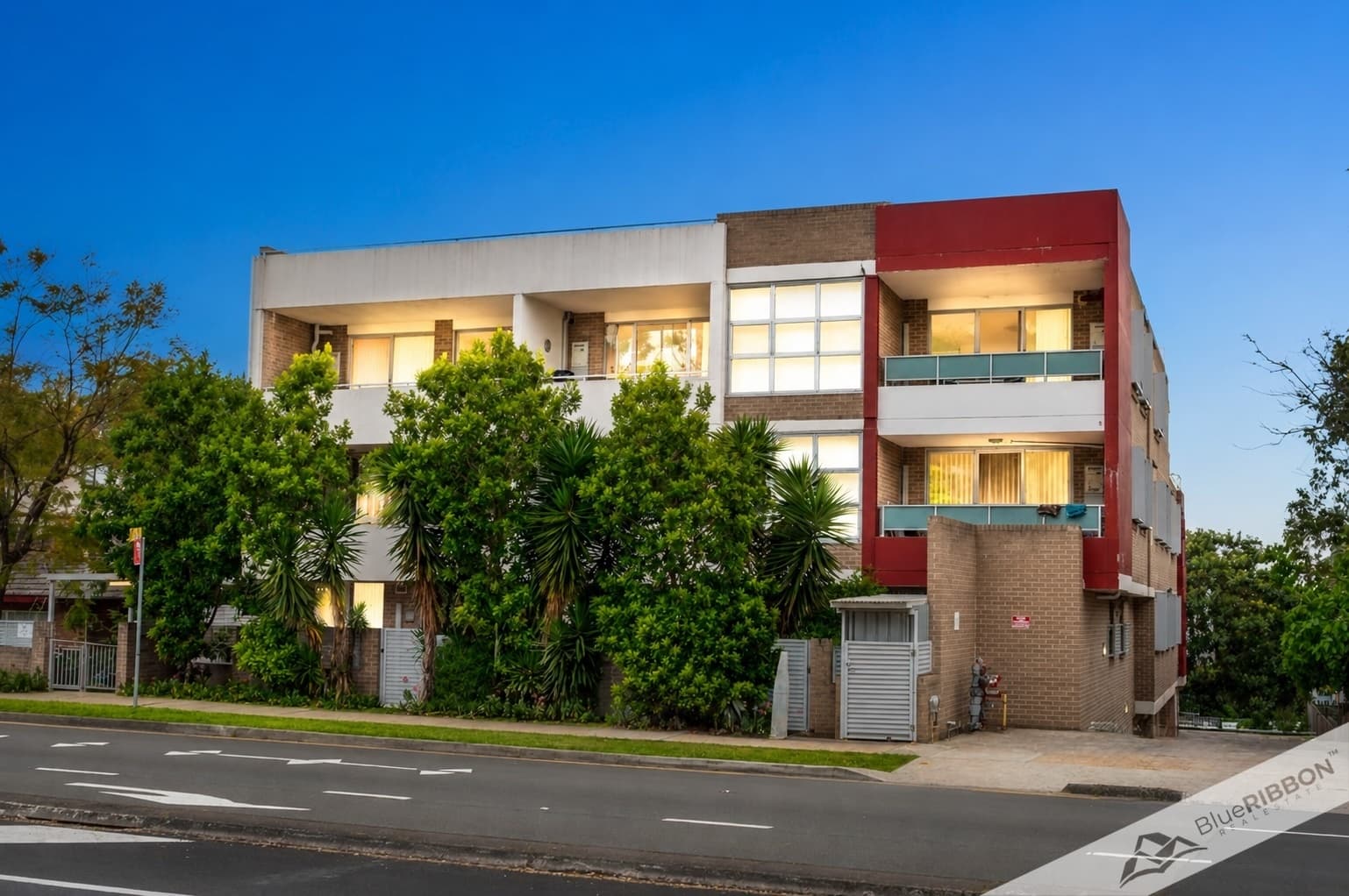
If you're an investor, the maths has flipped. Buying an established Wentworthville unit and negatively gearing it made sense to a lot of people in April. For purchases made after Budget night, it's a much weaker proposition. A new duplex, or one half of one, could be a stronger option, particularly in a suburb with a train station, a major hospital precinct next door and steady rental demand. Just don't let tax be the whole reason for buying. The property still has to stack up on location, rent and long-term growth.
Some of the detail still isn't settled, including exactly how long a property counts as new and how later owners are treated. Blue Ribbon Real Estate isn't a tax adviser, and you should speak to your accountant before making decisions based on these changes. What we can tell you is what your block might be worth to a builder compared with a family, and that gap can be surprising. If you're sitting on land in Wentworthville and wondering what the Budget means for you, come and see us at Suite 11/76-80 Station Street.
Tags
- Federal Budget
- Negative Gearing
- Capital Gains Tax
- Duplex
- Dual Occupancy
- R2 Zoning
- Investors
- Land Value
- Sellers
- Wentworthville